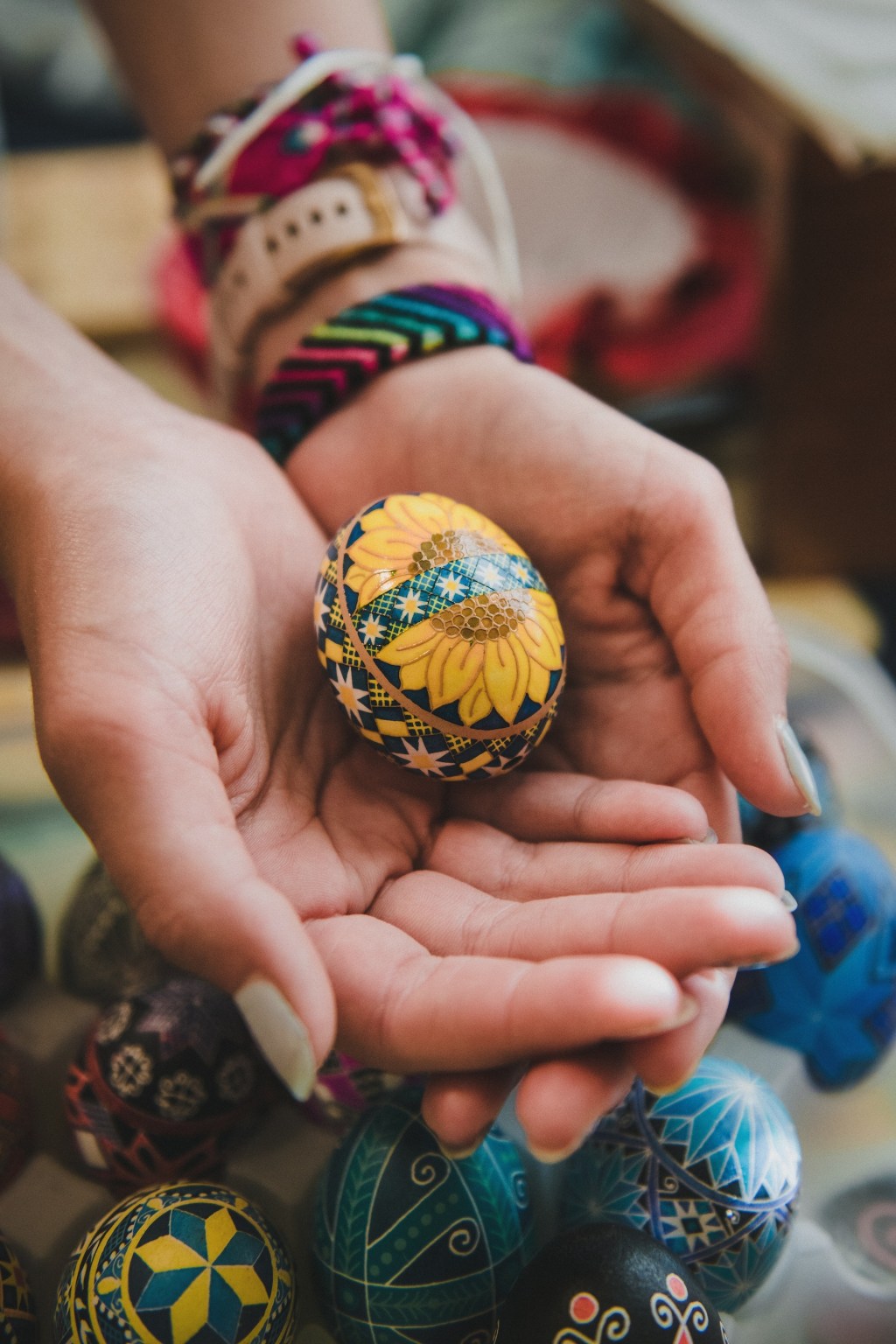
Ukraine has been in the news a lot in the last couple of years and it’s a place that means a lot to my husband Ben and I.
About ten years ago now, we were both missionaries for The Church of Jesus Christ of Latter Day Saints and we spent a couple of years serving and preaching in Western Ukraine.
We got to meet incredible people there who became our friends, and we got to experience the beautiful similarities and differences between Ukrainian and American culture.
In Ukraine, Easter is a REALLY big deal- almost, dare I say, even more so than Christmas? You can debate me on this if I’m wrong, but this definitely seemed to be the case to me!
So today, in honor of my Ukrainian friends, I would like to share a few of the beautiful things I picked up in Ukraine to add to your Easter celebrations this year.
Psanky Easter Eggs
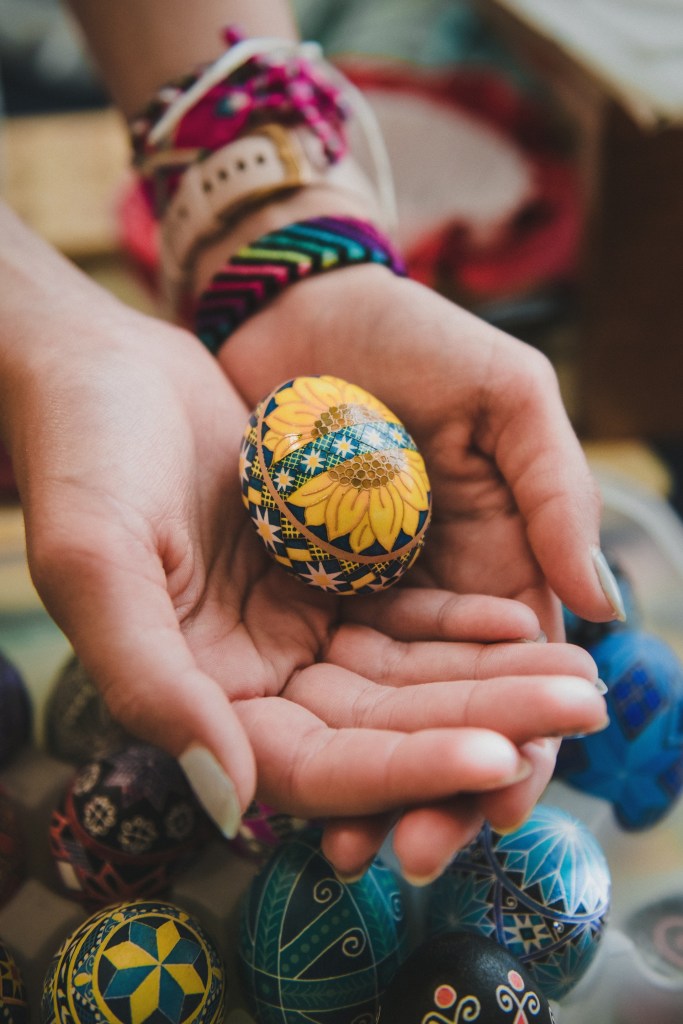
I don’t think I have ever seen more beautifully and intricately designed Easter eggs than I have while in Ukraine. There, the art of decorating psanky, is just that- an art!
Using wax and dye, Ukrainian Easter egg decorators will mark different designs onto the surface of an egg with wax and then dye the egg in layers to create beautiful complex patterns and designs.
The designs can vary from simple patterns to complex religious or nature inspired motifs. And it is not uncommon around this time of year to see different eggs beautifully laid out in baskets for sale at open air markets to use in your Easter celebrations.
I love that these can be drawn to represent the beauties of Spring, or our hopes, beliefs and testimonies in Christ for the year ahead.
For Ukrainians, these are often shared with family members and friends to symbolize their well-wishes and hopes that their loved ones will have a good and prosperous year.
You can find more information about the history and some of the folklore surrounding the Ukrainian Psanky from Heirloom Art Co.
And if you want to learn this delicate art form for yourself, you can buy your own psanky egg decorating kit with instructions on how to layer your designs (also available on Amazon). Just don’t get too frustrated if it takes a few tries to get it down!
Egg Cracking Game
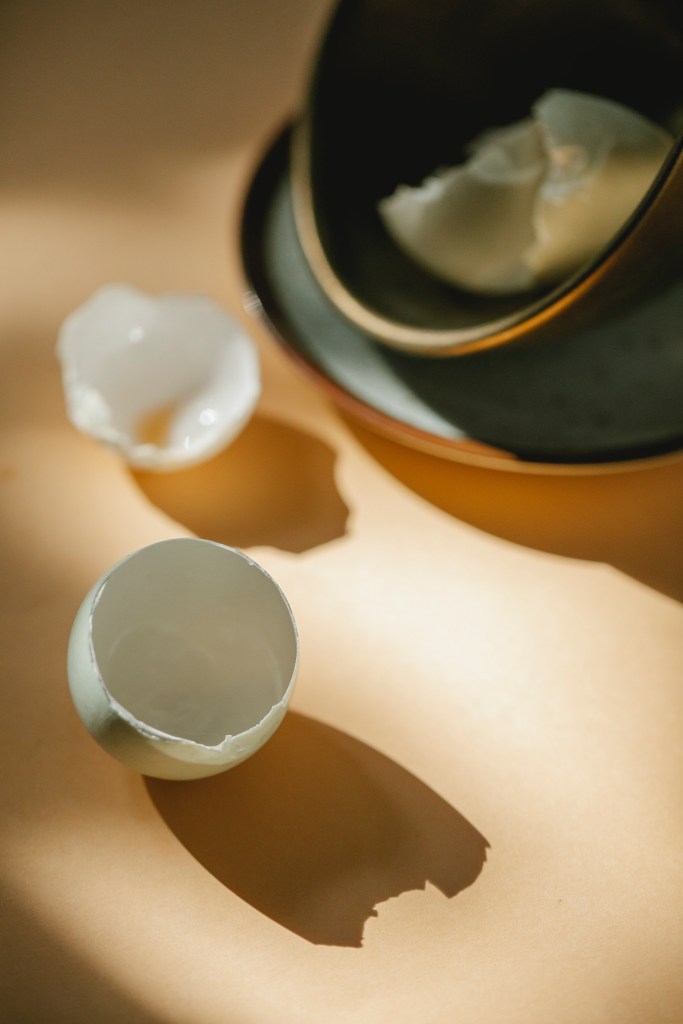
In addition to beautifully decorated Easter eggs, there is a common game played in families with hard boiled eggs.
Each family member gets to choose a hard boiled egg from the table and then they take turns cracking their eggs together. The last person whose egg has remained in tact and not cracked wins the game.
These hard boiled eggs are often eaten first before the start of a family Easter meal and they are meant to represent the emergence of new life and the restoration (Christ breaking the bonds of death, so to speak). The tradition also represents family unity and hope for the blessings and bounty of the year ahead.
While I was living in Ukraine, we had an opportunity to spend Easter with a beautiful Ukrainian family in the countryside near the carpathian mountains. I loved watching and enjoying the egg cracking game. You could tell it was a simple but cherished tradition, and it felt like participating in a beautiful family Easter moment. And then of course, we all got to enjoy the wonderful food afterward as well. It was a fun and lighthearted start to a family style meal and one I will likely pass on to my own children someday.
Easter Breads
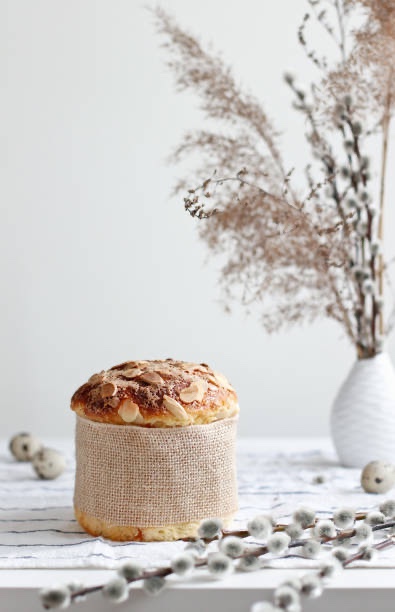
Bread at anytime of year in Ukraine is an almost sacred thing. Representing life, Ukrainians have a lot of deep rooted traditions surrounding bread and it’s decorations and designs.
In Ukraine, beautiful and intricately woven breads are made and celebrated as an important part of weddings and holiday traditions, and Easter is no exception.
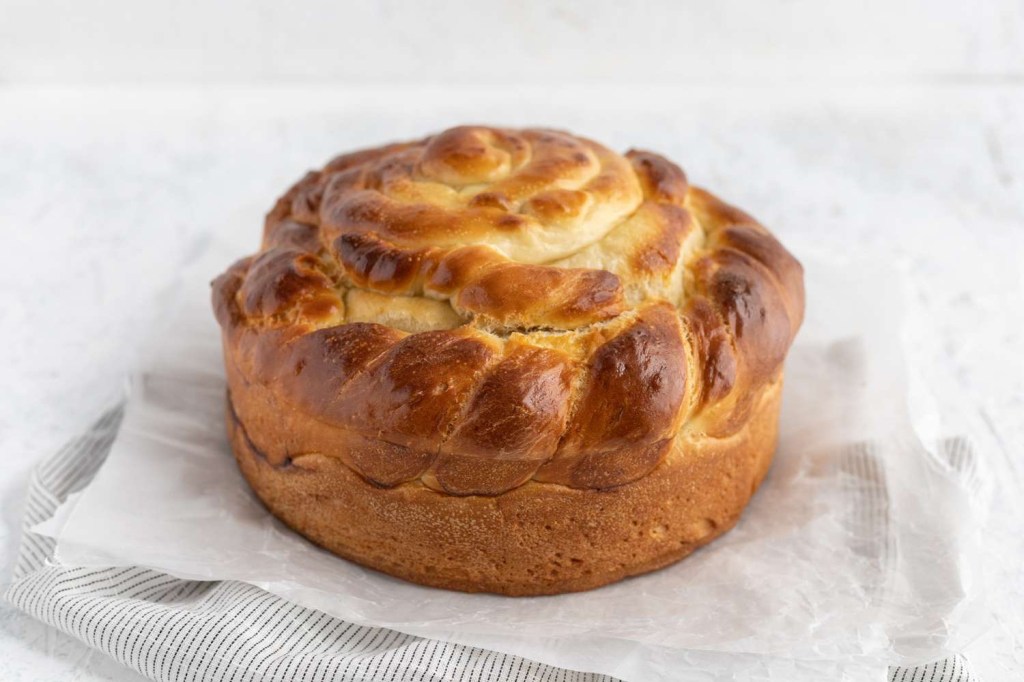
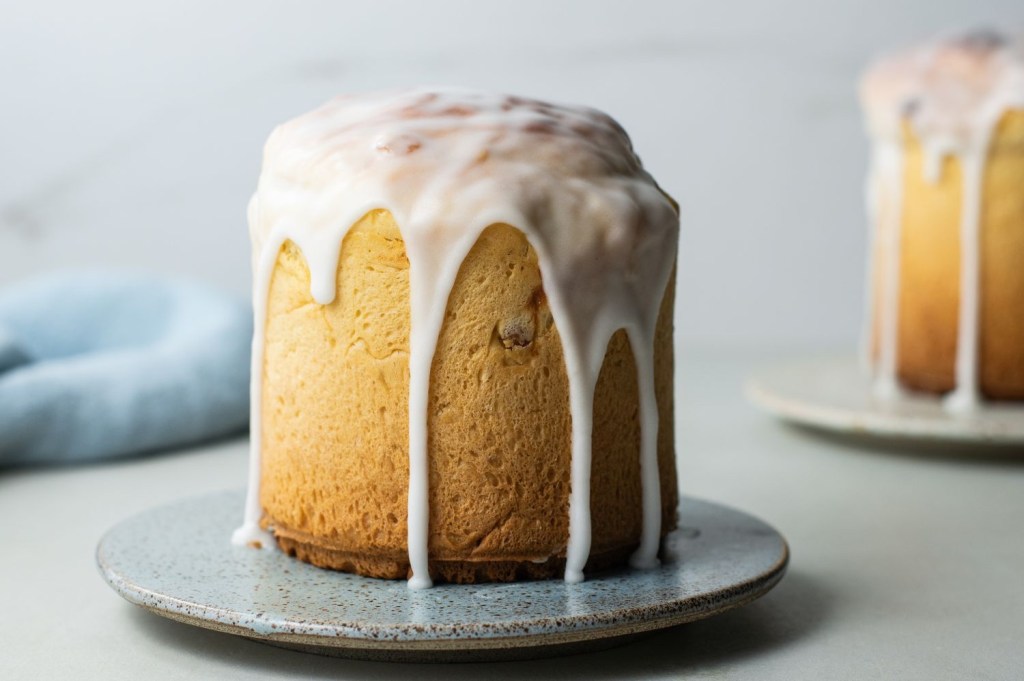
For Easter traditions, there are two types of bread that are often made- paska breads and babka breads.
For orthodox Christians, church members will prepare a basket of these breads, their psanky and hard boiled eggs, and other symbolic and traditional items and gather outside their local cathedrals. They bring their baskets to the doors of the cathedrals at dawn on Easter morning in large numbers to have their baskets blessed with holy water by a priest, and then bring the basket of blessed goods home to share and enjoy with friends and loved ones as they celebrate Easter.
So, what do the two breads represent? I will let the Winnipeg Free Press explain, since they will do a better job than I could!
“Bread to Ukrainians is one of the holiest of all the foods. Two common types traditionally found in the Easter basket are paska and babka. Symbolic of Jesus Christ, the “living bread,” paska is a large, round loaf made of white flour, usually decorated with a cross at the centre along with other ornamentation such as rosettes or pine cones. Also, at the time of the blessing, a candle was sometimes placed in the centre of the paska representing Christ, “the light of the world.” Paska means “Passover,” as in Christ’s passing over from death to life. The babka is cylindrical in shape, and is a rich and delicate cake bread. Its name is considered by some to mean “blessed mother” or, in pre-Christian times, “woman.” It is also sometimes decorated with a simple cross. Both are meant to remind Ukrainians of the true “living bread” that nourishes the soul.”
Cheryl Girard, Winnipeg Free Press
For more information on these breads, eggs and other Ukrainian easter traditions and symbolisms, I reccomend you read Cheryl’s complete article at The Free Press website.
And if you would like to try your hand at making one or both of these breads yourselves, I’ve attached links to two recipes from The Spruce Eats below!
Greeting each other with a testimony of Christ

Something that I noticed and enjoyed while living in Ukraine was that certain holidays and occasions warranted certain greetings and responses, even from complete strangers.
Just like in the states, Americans go around wishing each other a “Merry Christmas!” Or “Happy Holidays” as they go about their business, Ukrainians have phrases that they say to mark special occasions as well.
For Easter, it is not uncommon to be greeted on the street by strangers with a simple “Христос воскрес!” (Meaning, “Christ has risen!”) to which the expected response would be “воїстено воскрес!” (Meaning, “Indeed, He has risen!”).
When I first heard this greeting, I was surprised by the bold proclamation of faith by complete strangers. While I think many say the phrase out of habit more than anything, as a missionary in a foreign land I was overjoyed to hear people boldly testify of Christ’s resurrection.
I think in the United States today there is such a stigma about religion and beliefs, and a great fear of being open about our faith or talking about religious things.
In the US now, you can hardly even wish someone a Merry Christmas without fear of offending someone that believes differently. Which is why as an American I was so surprised at first by this wonderful greeting and shared proclamation by two strangers.
Christian Religion and worship are very deep rooted parts of Ukrainian identity. It’s not just a part of their identity as individuals, but it’s a part of their cultural identity as well.
I hope that this Easter I can be more bold in my testimony of Christ and the sacrifice he made so that we all might live again, and overcome all of the pains, sicknesses, wars, afflictions, suffering and sins of this world.
I feel so blessed and grateful that I had the opportunity to spend some time in Ukraine as a young missionary, serving and loving and celebrating Christ together with my brothers and sister there.
And I hope that this Easter season may bring some peace and hope to those currently suffering under conflict and war.
I Hope those feeling the weight of those conflicts, sins, afflictions, and weaknesses might turn to Christ for light and hope, as he is the source of light and hope in the world. He can lighten your load, as I know He has my own.
I hope that some of these ideas have inspired you for your Easter celebrations this year, and I hope like our friends in Ukraine, we can make Christ a more important part of our celebrations this year.
Христос воскрес!
DP
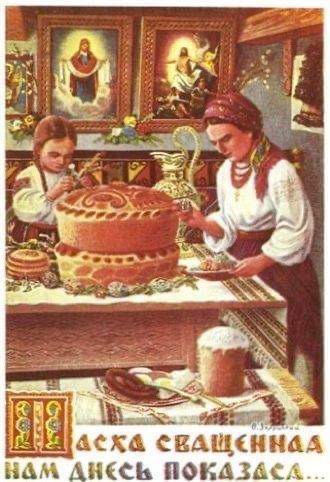
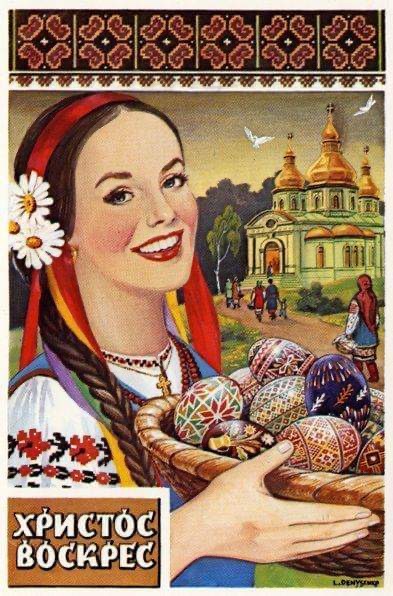
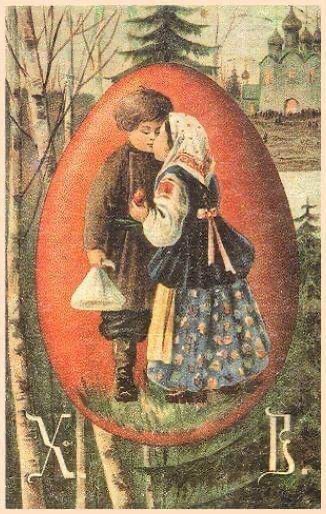
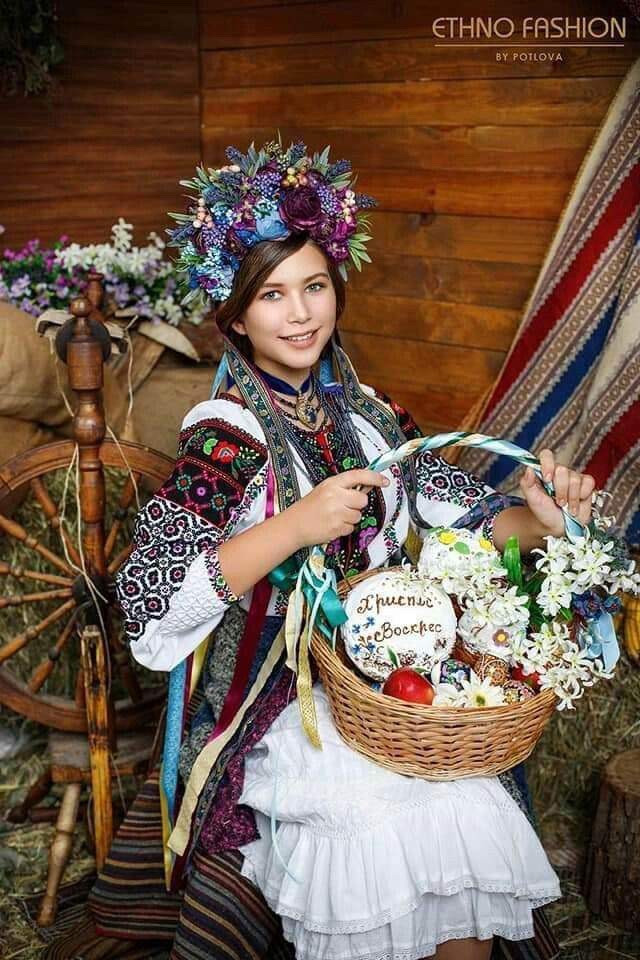
And for fun, here are some great traditional images of Ukrainian Easter that my husband sent me when I told him about this article. Enjoy!

 Danielle Peterson
Leave a comment